I left Tokyo early in the morning, coffee in hand, ready for the two-hour train ride to Nikko. Navigating Japan’s rail system that day was… let’s call it “an adventure.” Between platform changes and second-guessing my route, I must have looked lost more than once. Thankfully, the station security staff were incredibly kind — quick to offer directions and even a reassuring smile before sending me on my way.
When I finally stepped off the train in Nikko, the cool air and mist wrapped around me like a soft welcome. And before I even began sightseeing, I made my first stop — Marion Crepes. While they’re famous for their sweet offerings, I went straight for the savory Tuna Crepe. Warm, creamy, and perfectly seasoned, it was the kind of comfort food that makes you sigh with contentment. I ate it while watching umbrellas drift past in the light rain, each one like a floating blossom in the street.
My first sightseeing stop was the Shinkyo Bridge. Its deep vermilion arc over the rushing Daiya River was mesmerizing against the mist-covered hills. This isn’t just any bridge — it’s a UNESCO World Heritage Site, with origins tracing back to the 17th century, and according to legend, its earliest crossing was formed by sacred snakes for a monk in the 8th century. Standing there, I could feel the blend of myth and history, all framed by the hush of falling rain.
From there, I wandered into the Kanmangafuchi Abyss. Along the moss-lined path, rows of nearly 70 Jizo statues stood in silent watch, each adorned with a red cap and bib. In Japanese Buddhism, Jizo is the protector of travelers, children, and souls in the afterlife. I counted them as I walked past… and got a number in my head. Later, when I came back, I counted again — and somehow got a different total. Local legends say the statues shift and move when you’re not looking. Realistically, I probably just lost count… but I’ll admit, the mysterious version is much more fun to believe.
By afternoon, the rain had deepened the colors of Nikko’s gardens. Wooden bridges curved over koi-filled ponds, the water dappled with raindrops. The air was rich with the scent of cedar and moss, and the mist softened every edge until it all felt like a painting.
That night, I checked into the Kanaya Hotel, Japan’s oldest Western-style hotel, founded in 1873. The polished wood, vintage décor, and warm glow of its halls made me feel like I’d stepped back in time. Over the years, this historic place has hosted remarkable guests — Albert Einstein, Helen Keller, and Frank Lloyd Wright among them. Knowing I was sleeping in a place where so many stories had unfolded made the experience feel even richer.
By the time I boarded the train back to Tokyo, I felt like I’d lived a whole story in just one day — from the warmth of a savory crepe to the mystery of moving statues, from the elegance of a historic hotel to the timeless beauty of a sacred bridge.
Nikko didn’t just give me places to see — it gave me moments to remember.
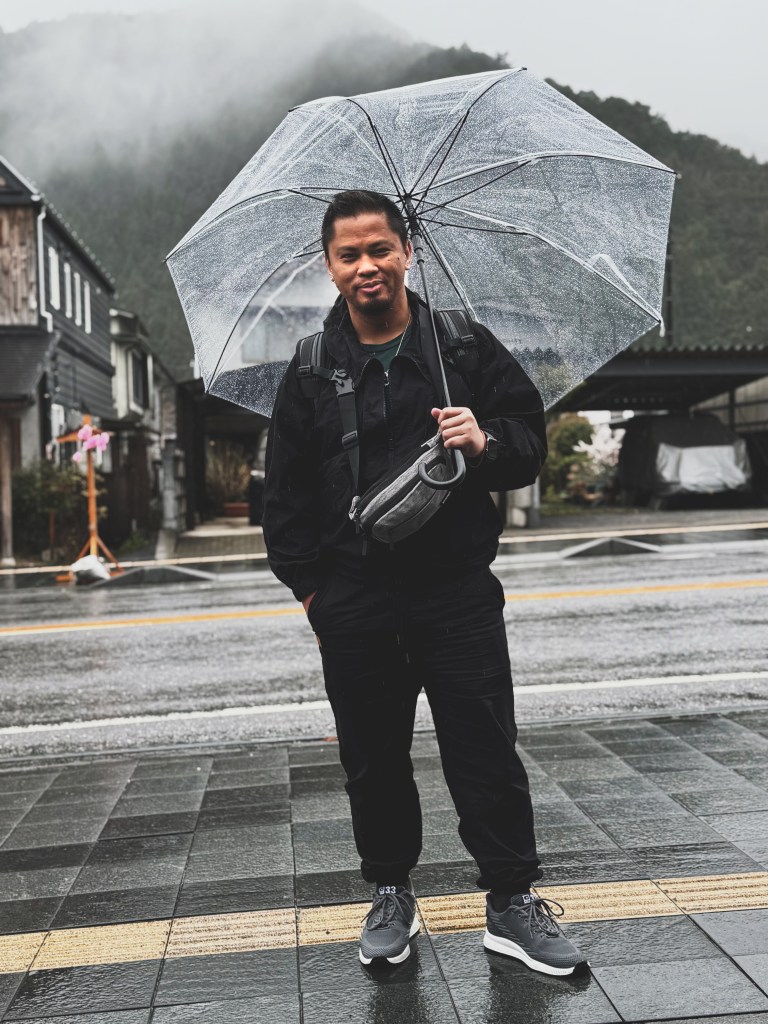
Beautiful Nikko, Japan 
Marion Crepes in Nikko, Japan 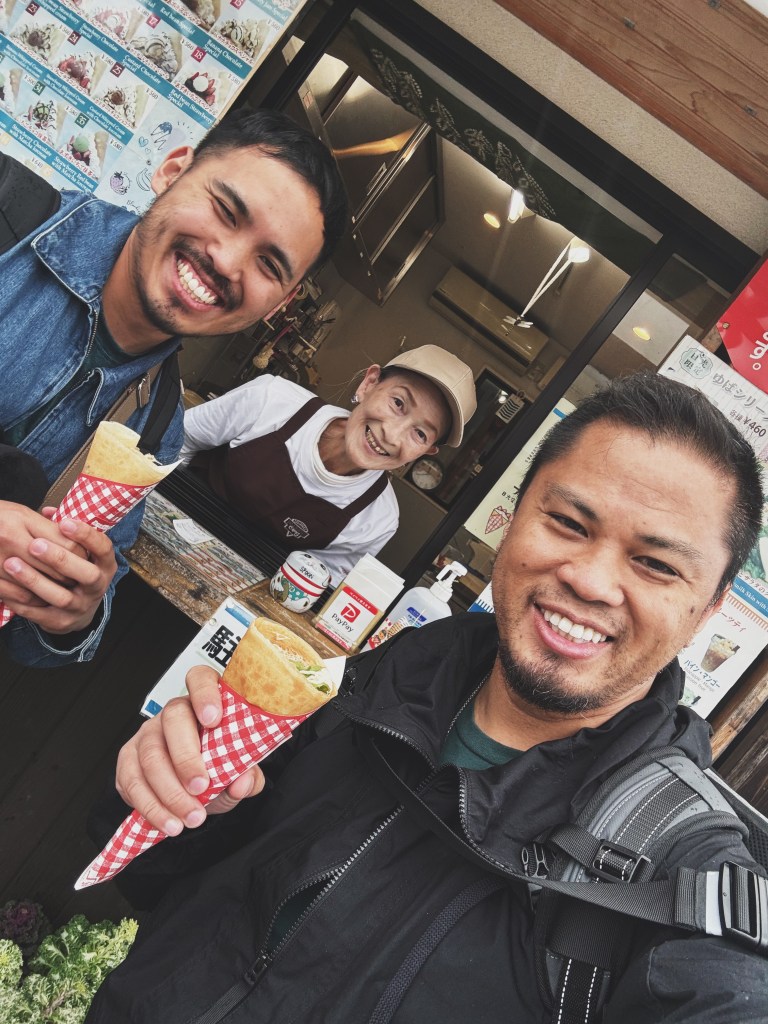
Marion Crepes in Nikko, Japan 
The Shinkyo Bridge in Nikko, Japan 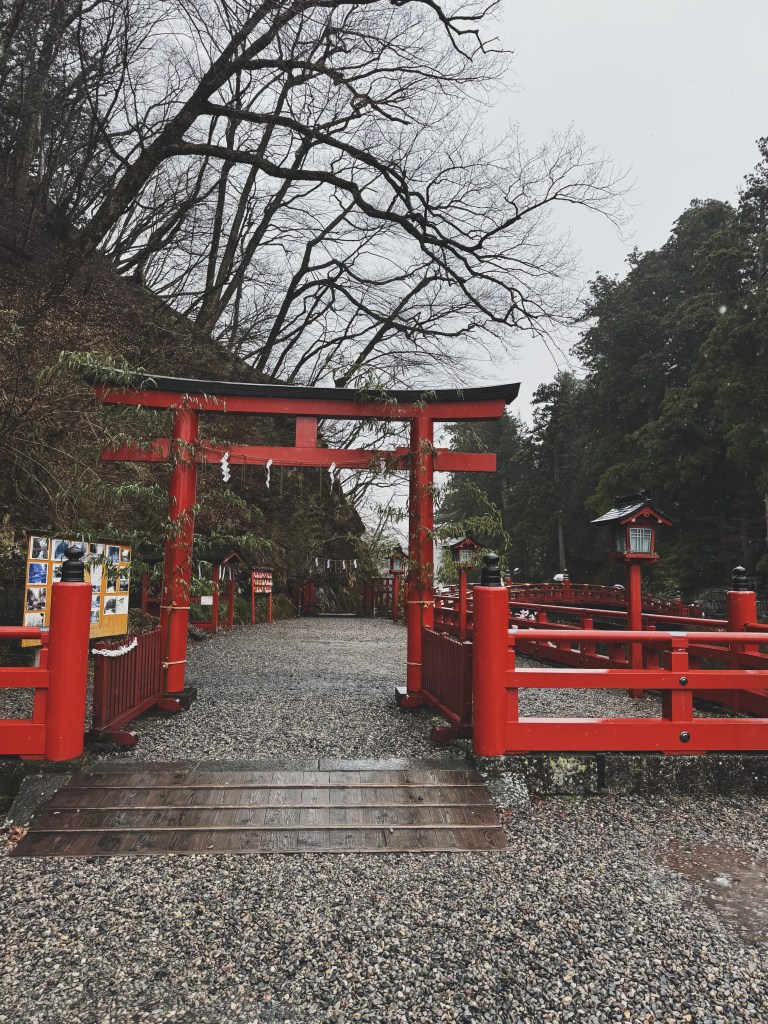
The Shinkyo Bridge in Nikko, Japan 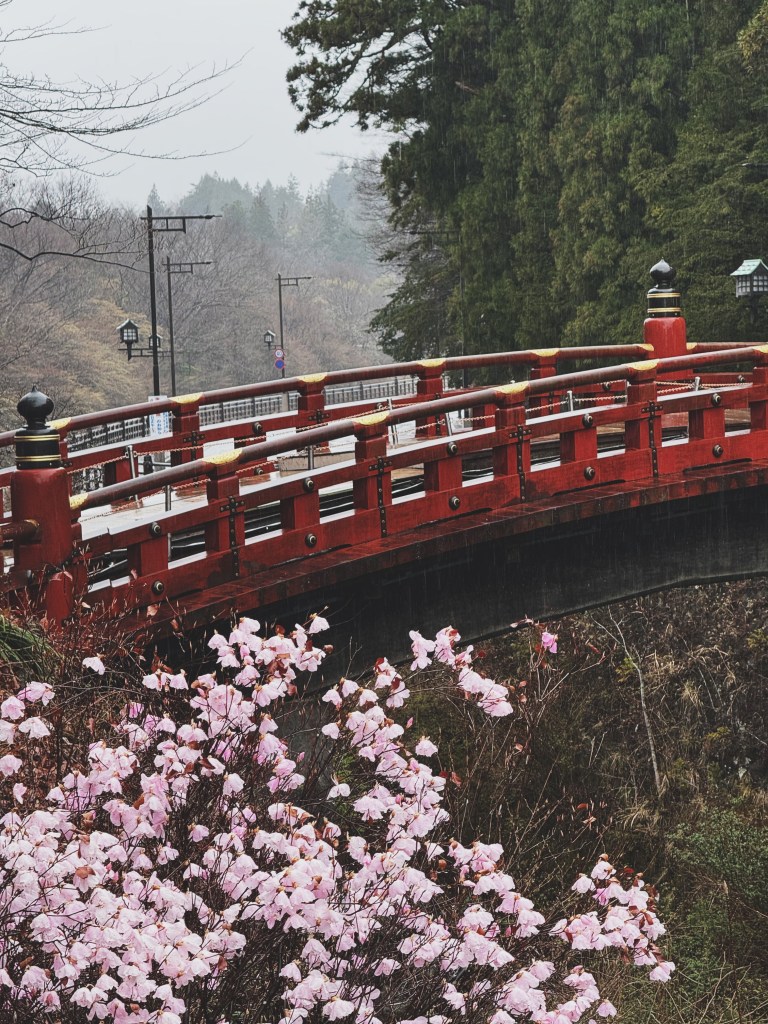
The Shinkyo Bridge in Nikko, Japan 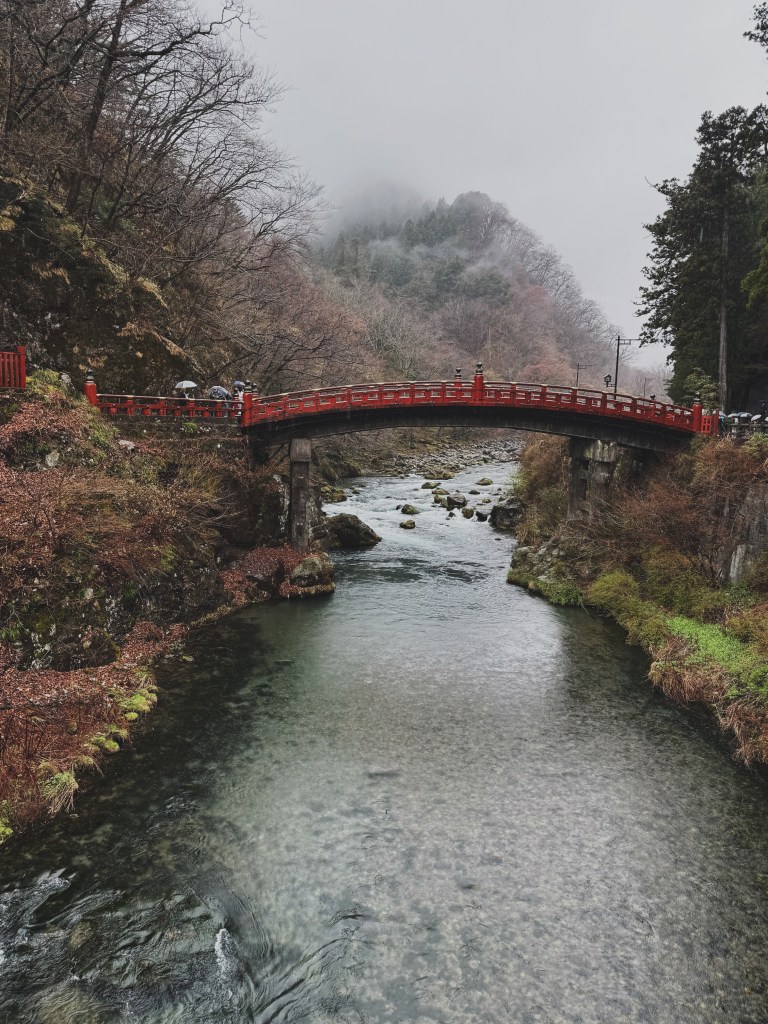
The Shinkyo Bridge in Nikko, Japan 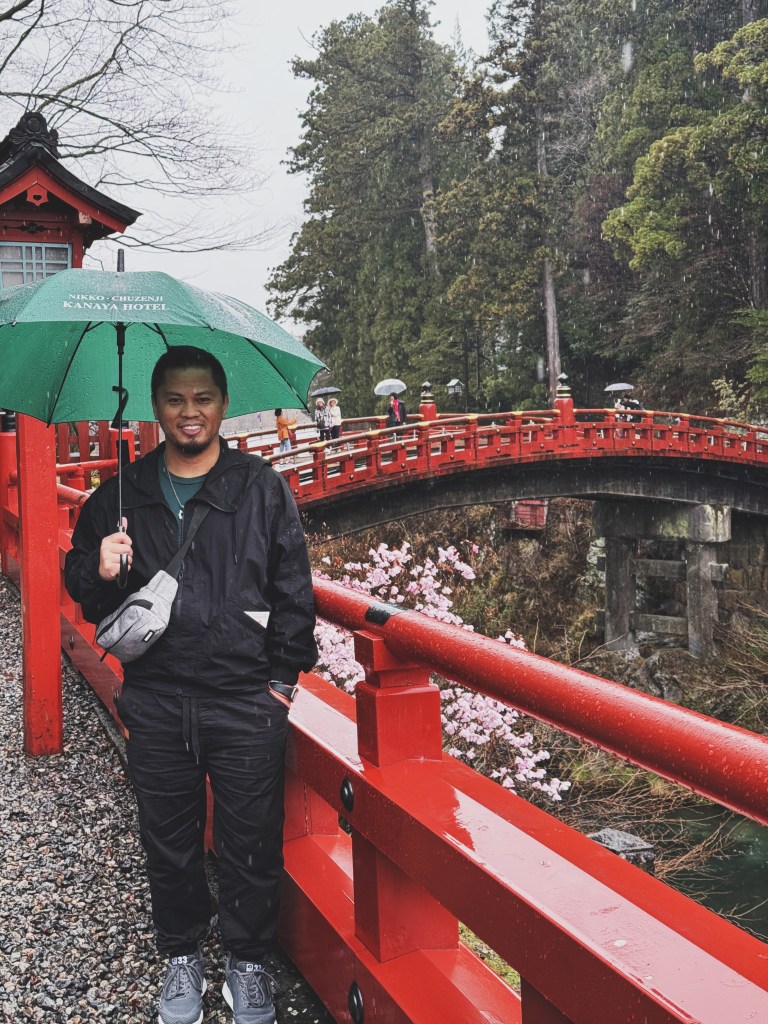
The Shinkyo Bridge in Nikko, Japan 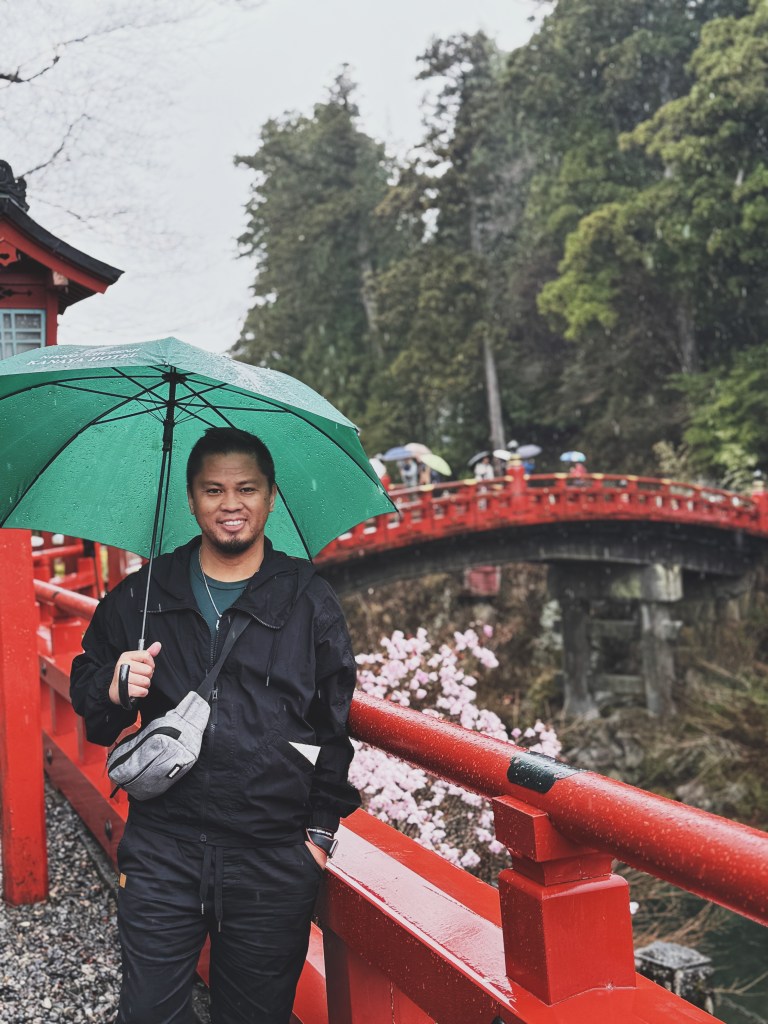
The Shinkyo Bridge in Nikko, Japan 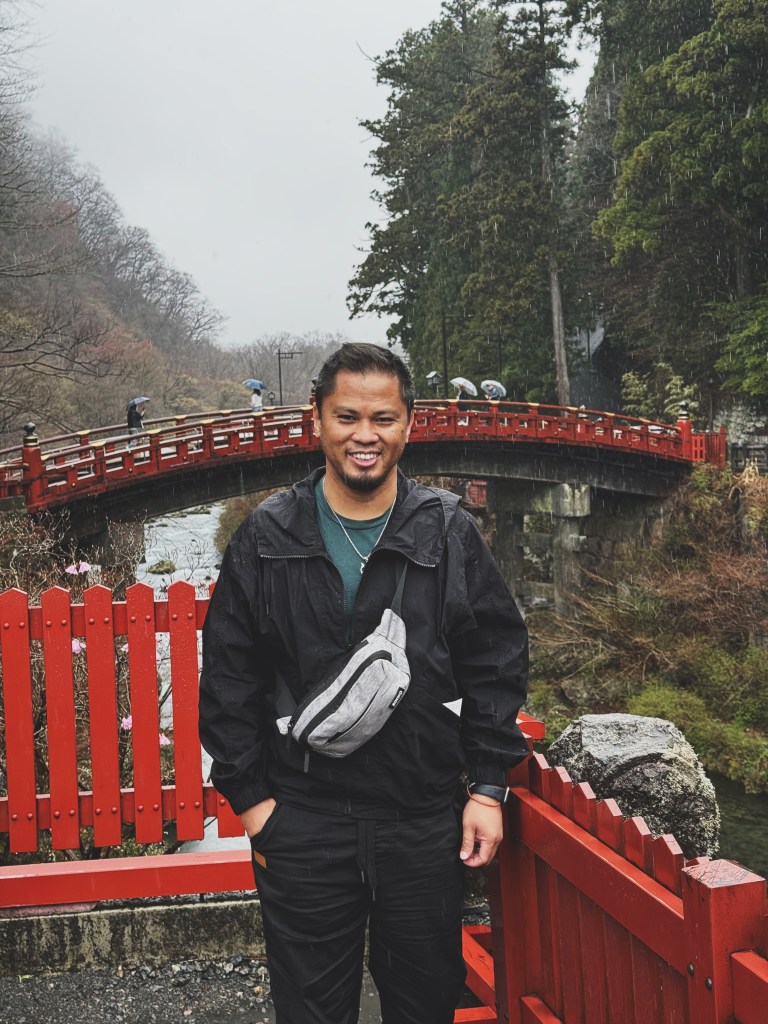
The Shinkyo Bridge in Nikko, Japan 
The Shinkyo Bridge in Nikko, Japan 
The Shinkyo Bridge in Nikko, Japan 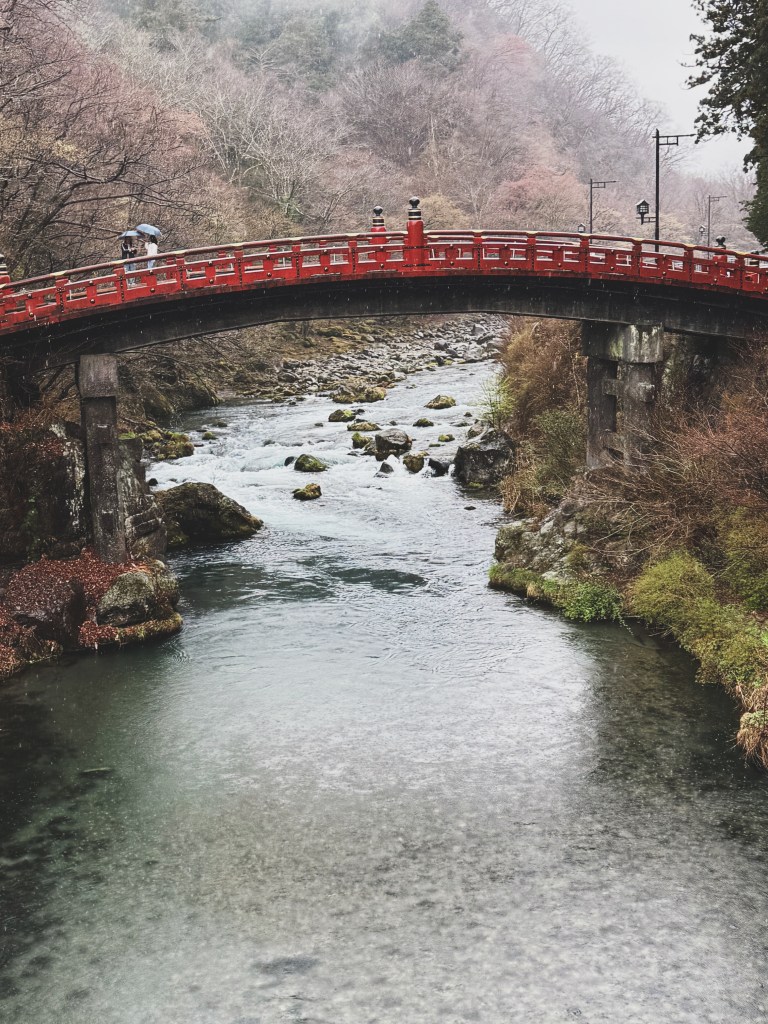
The Shinkyo Bridge in Nikko, Japan 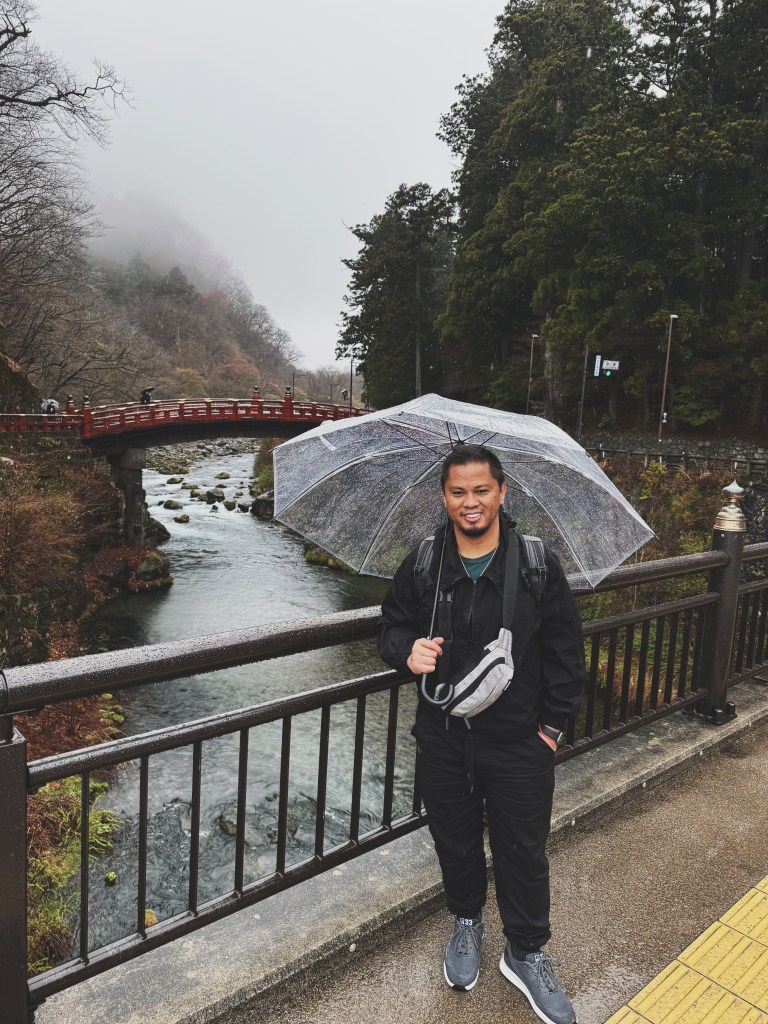
The Shinkyo Bridge in Nikko, Japan 
Shrines in Nikko, Japan 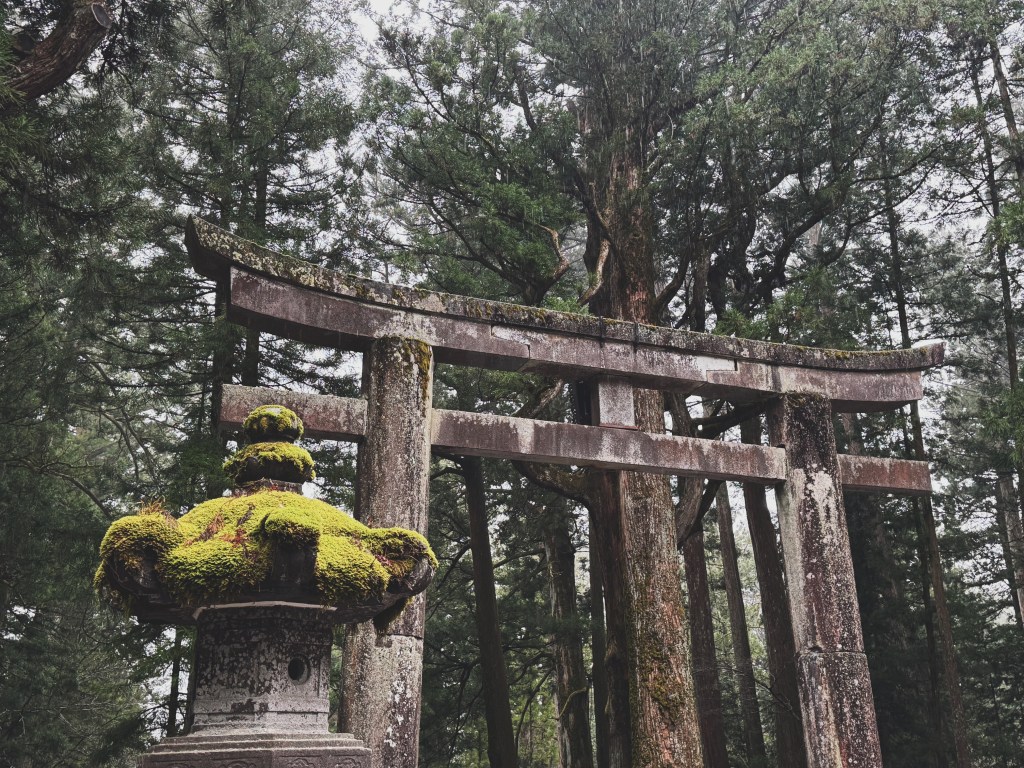
Shrines in Nikko, Japan 
Shrines in Nikko, Japan 
Nikko, Japan 
The tall trees that surround Nikko, Japan 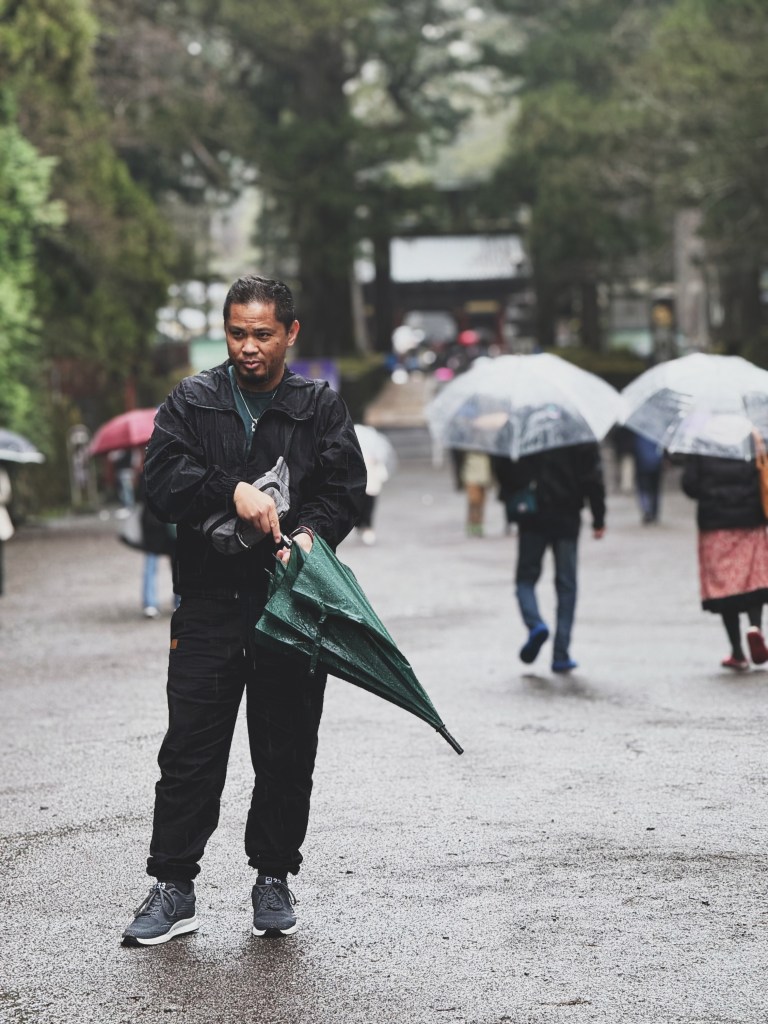
Nikko, Japan 
Nikko, Japan 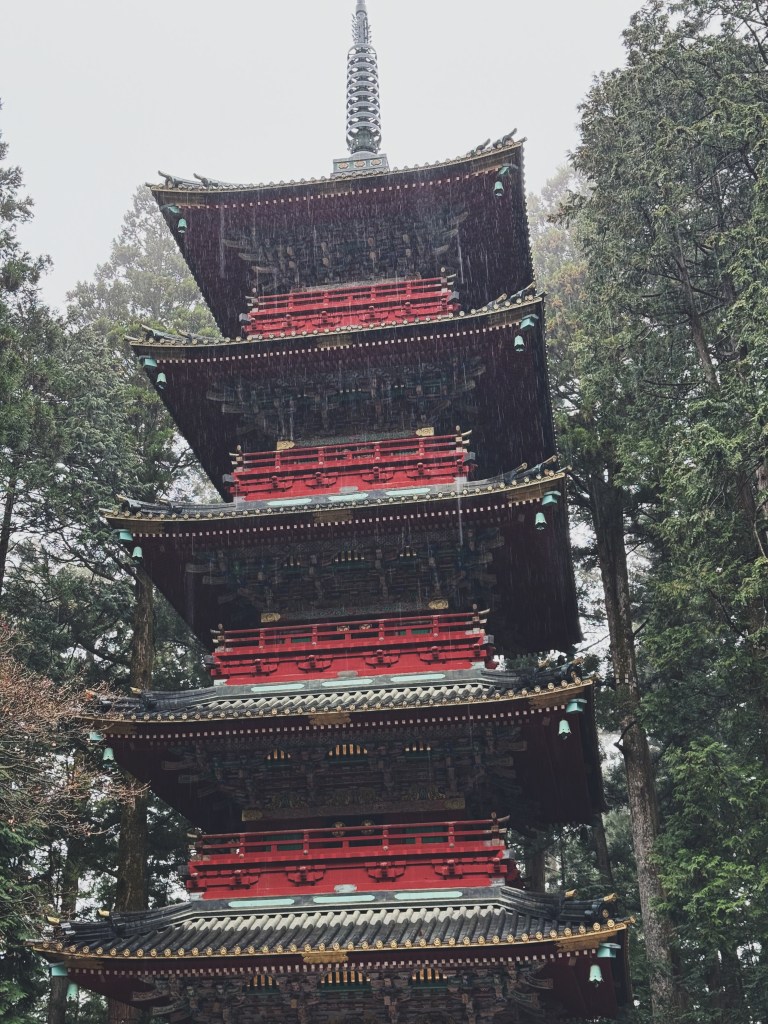
Shrines in Nikko, Japan 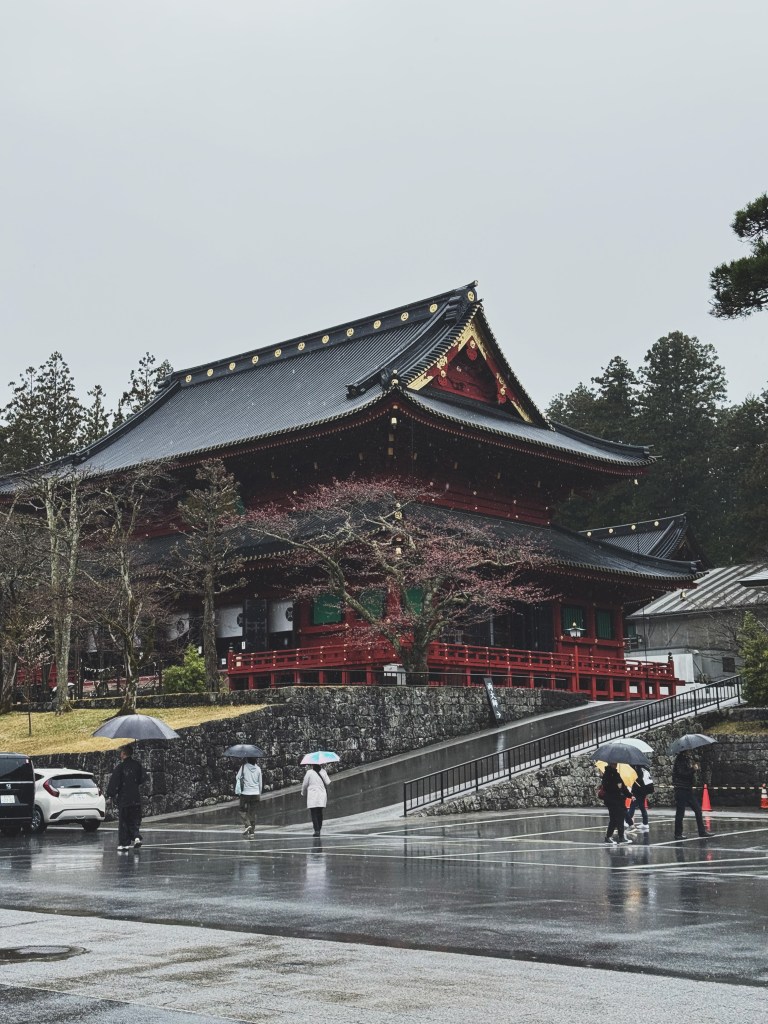
The Sanbutsudō Hall at Rinnō-ji Temple in Nikko, Japan 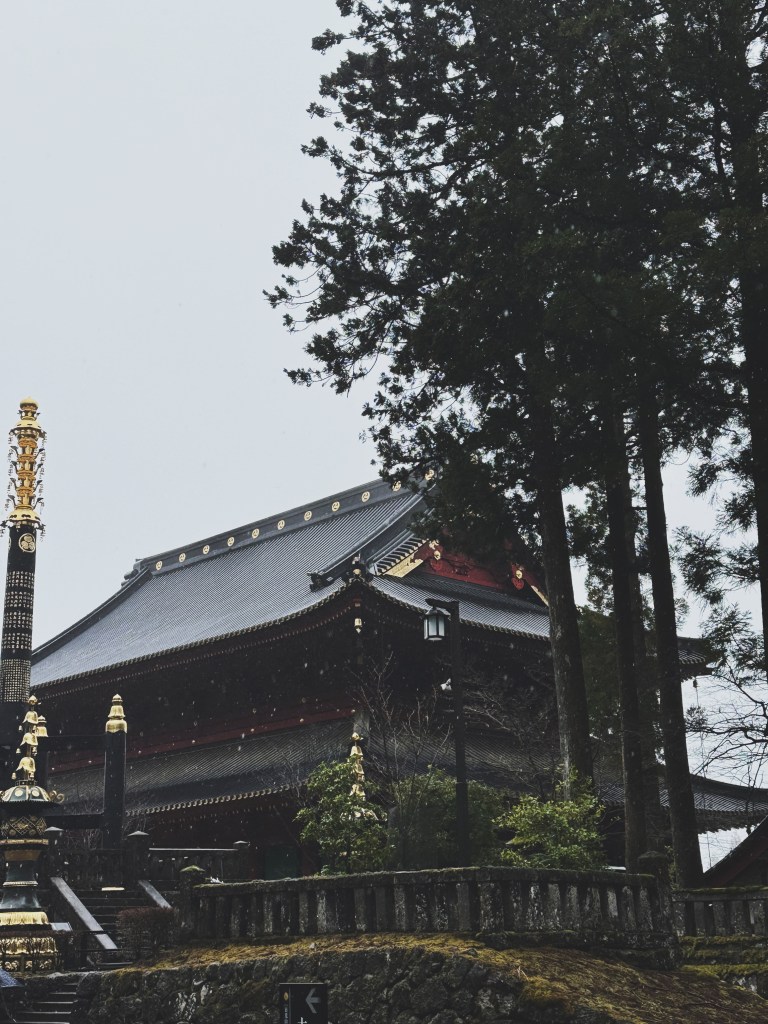
Shrines in Nikko, Japan 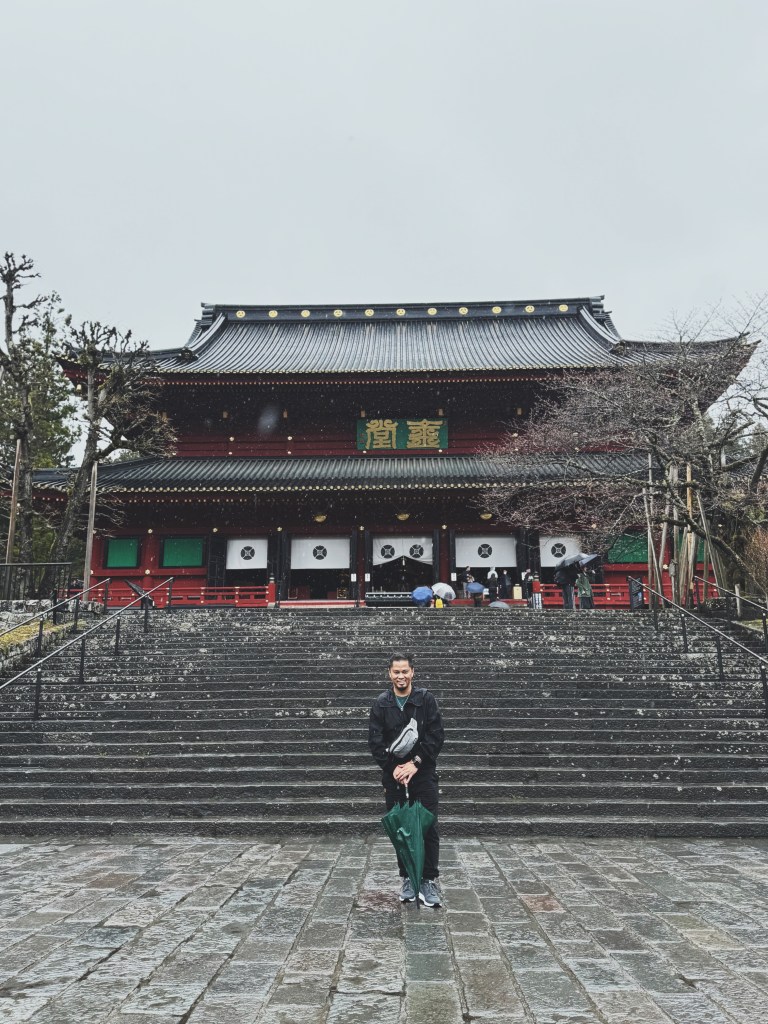
The Sanbutsudō Hall at Rinnō-ji Temple in Nikko, Japan 
The Sanbutsudō Hall at Rinnō-ji Temple in Nikko, Japan 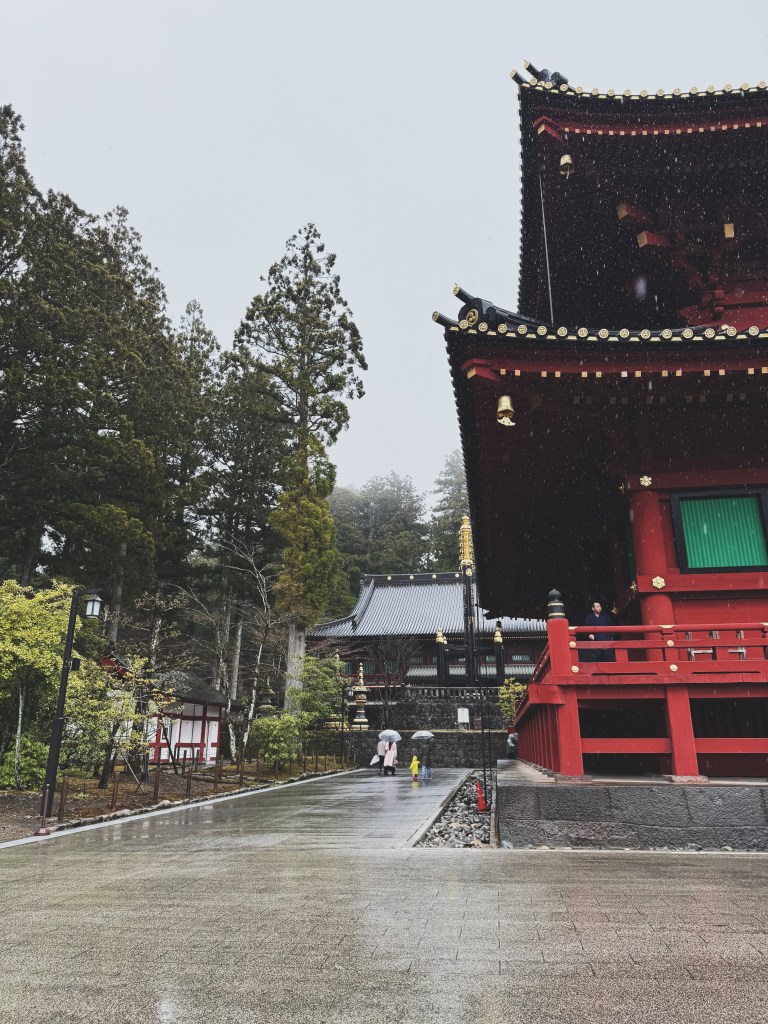
The Shinkyo Bridge in Nikko, Japan 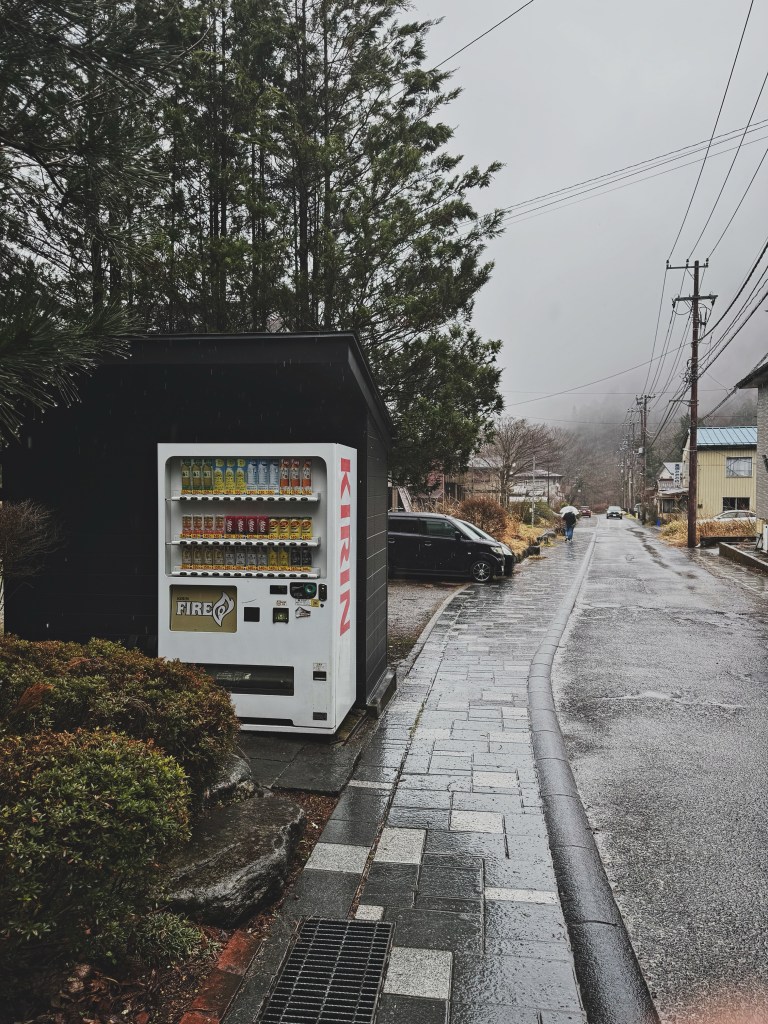
Random vending machines in Nikko, Japan 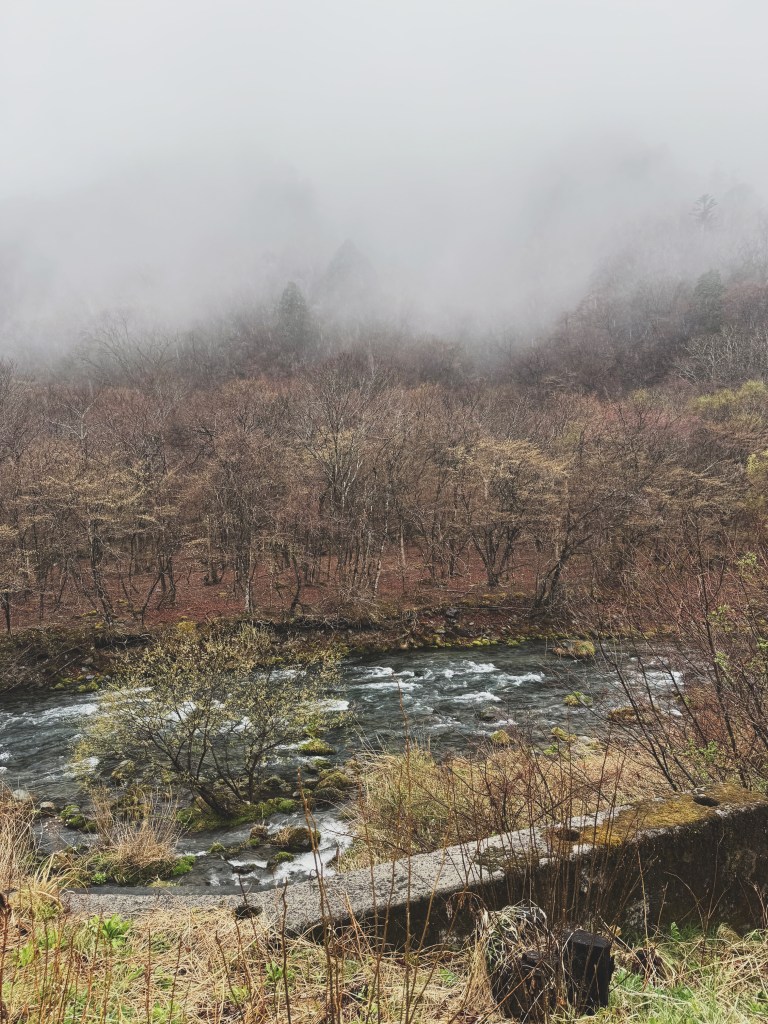
The beautiful Nikko, Japan 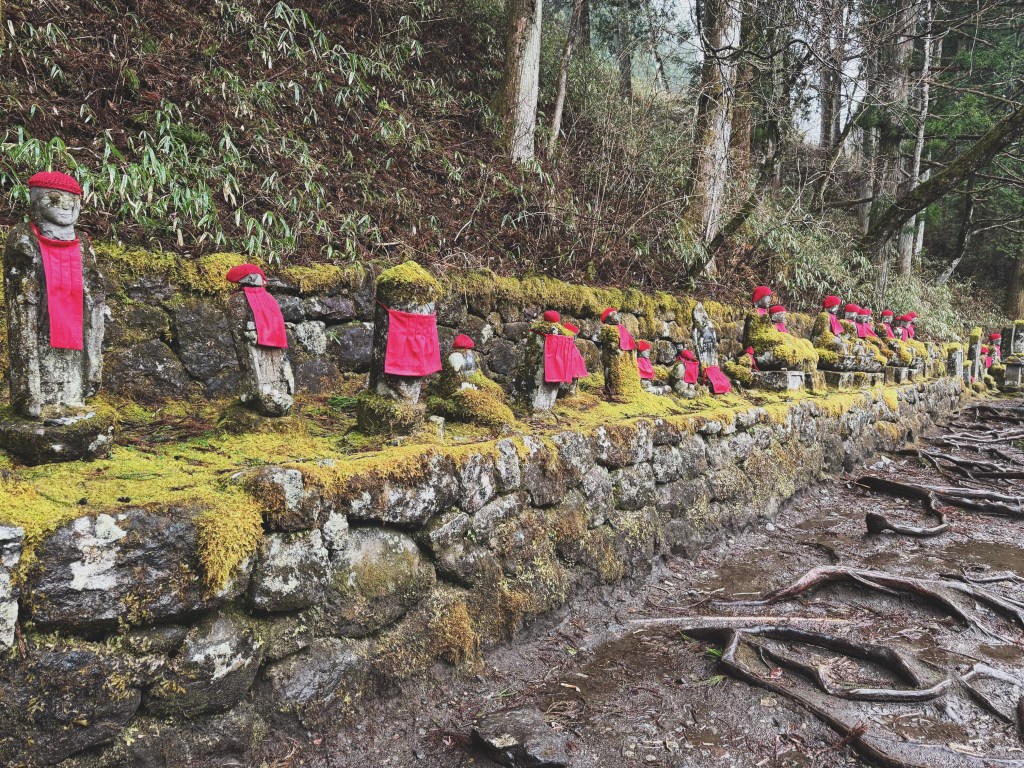
Narabi Jizo in Nikko Japan 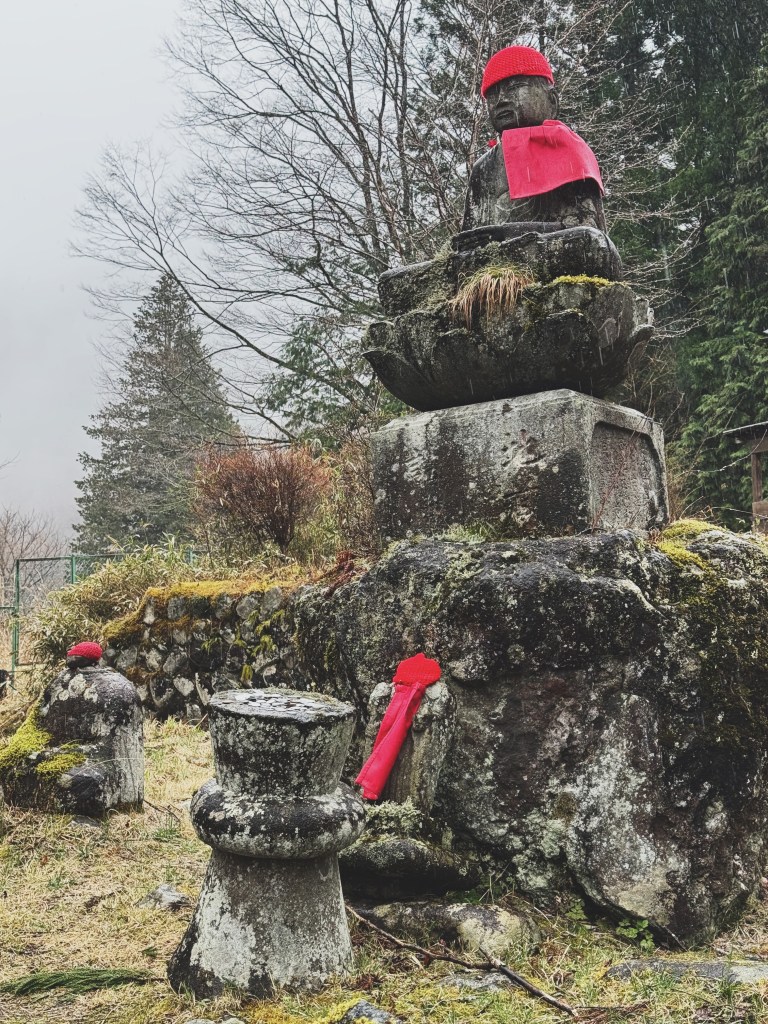
Narabi Jizo in Nikko Japan 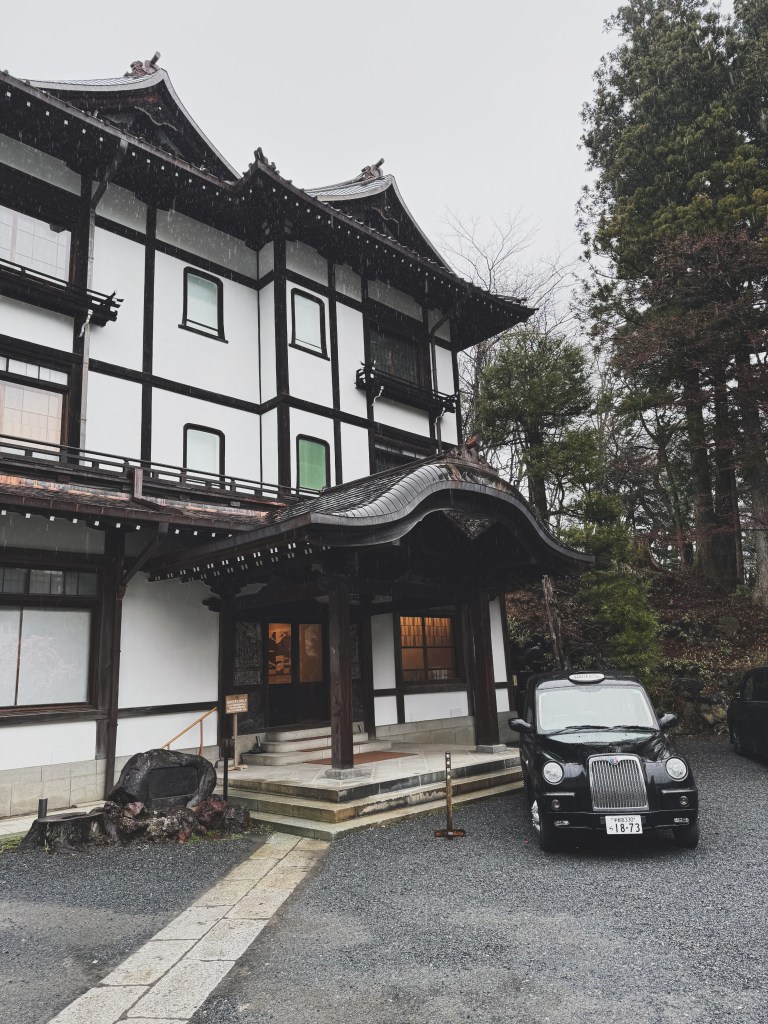
the Kanaya Hotel 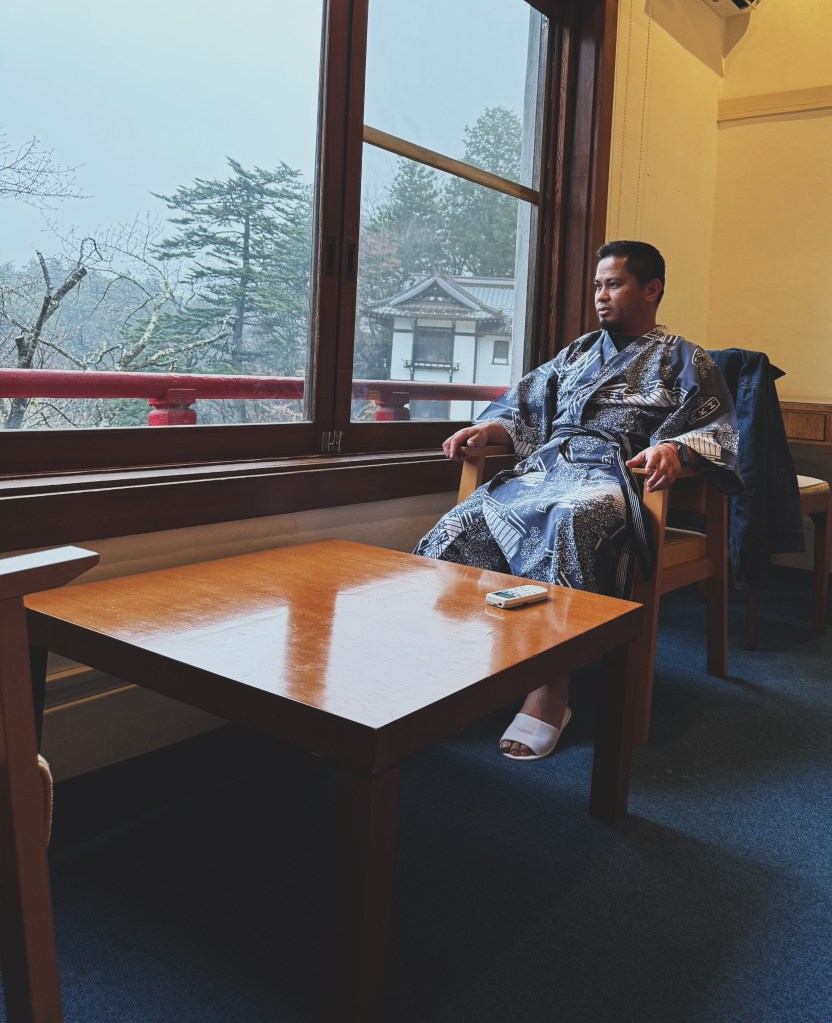
The Nikko Kanaya Hotel in Nikko, Japan
 Moshe Guilaran